
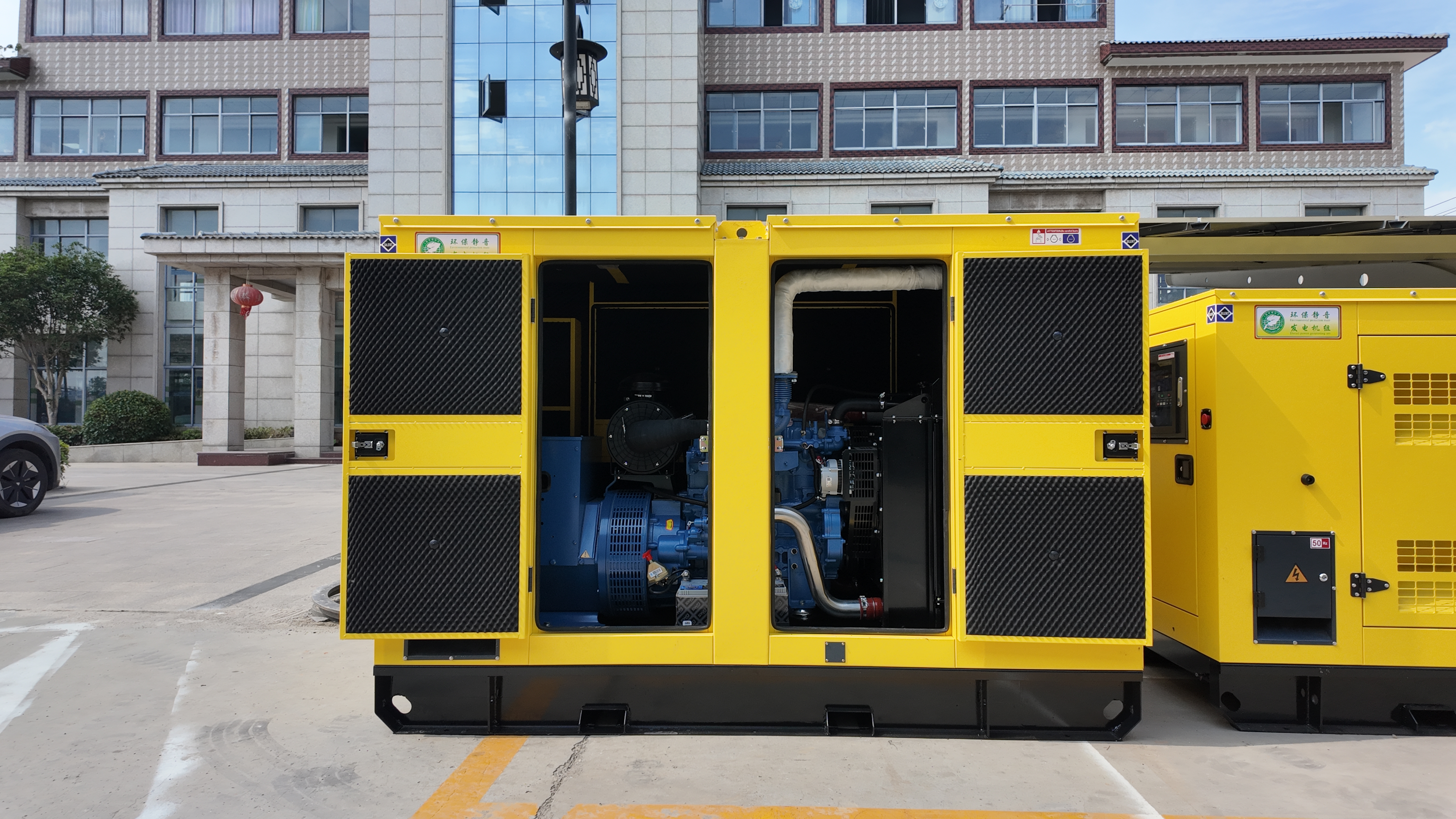
A diesel generator is a piece of engineering that sits idle 99% of the time. The other 1% — when the grid fails — it has to start, take the load, and keep running without a hitch. That only happens if you maintain it properly.
After installing hundreds of generator sets across factories, hospitals, data centers and commercial buildings, our service team follows the same monthly checklist. Here it is.
Why monthly maintenance matters
A generator that never runs still degrades. Fuel goes stale, batteries lose charge, rubber hoses crack, and rodents make homes in the canopy. A 10-minute monthly walkaround prevents 90% of emergency call-outs.
The 12-point monthly checklist
1. Start and run-test the unit
Run the generator under at least 30% load for 30 minutes. A no-load test is not enough — the engine needs to reach operating temperature and the alternator needs to see real load.
2. Check the battery
Measure the charging voltage (should be around 27V for a 24V system). Clean terminals and check electrolyte level if it is a wet-cell battery. A dead battery is the #1 reason generators fail to start.
3. Inspect engine oil level and quality
Pull the dipstick. Oil should be between the min and max marks. If it looks milky or smells of fuel, schedule an oil change.
4. Check coolant level and concentration
Look at the overflow tank. Coolant should be at the correct level. Test the antifreeze concentration before winter — most failures happen in the first cold snap.
5. Look for fuel leaks
Check the baseframe, fuel filters and fuel lines for damp spots. Diesel fuel can evaporate and leave a visible stain long before it becomes a leak.
6. Inspect air filter
Pull the filter out and look at the indicator (if fitted). A dusty site needs more frequent changes than a clean plant room.
7. Check belt tension
Press on the fan belt — it should deflect 10–15 mm. A loose belt causes overheating; a cracked belt needs immediate replacement.
8. Verify exhaust system
Look for black soot around the exhaust joints, which means a leak. Check that the flexible connection is not corroded.
9. Test the ATS (automatic transfer switch)
Simulate a mains failure and confirm the generator starts, the ATS transfers the load, and the generator shuts down properly when mains returns.
10. Clean the radiator and fins
Dust and insects block airflow. Clean the radiator from the inside out with low-pressure air. Overheating is the second most common generator failure.
11. Record running hours and load data
Note the hour-meter reading and the average load during the test run. This tells you when the next service is due and whether the generator is oversized or undersized.
12. Inspect the canopy and environment
Remove leaves, nesting material and standing water. Make sure the ventilation louvres are clear and the unit is not being used as a storage shelf.
What to do quarterly and annually
Every 3 months: change fuel filters, check battery specific gravity, tighten electrical connections.
Every 12 months: full oil and filter change, valve clearance check, injector inspection, and load bank test.
The bottom line
A standby generator is insurance. You only find out if it works when you need it. Ten minutes a month keeps that insurance valid.
If you are buying a new generator set and want a maintenance plan included, contact our engineering team — we can provide a service schedule tailored to your site and load profile.